SKU:S533
Bismuth Crystal – Iridescent Geometric Hopper Cluster
Bismuth Crystal – Iridescent Geometric Hopper Cluster
Pay over 2-6 interest-free instalments with Stitch Pay Later
Out of stock
Couldn't load pickup availability
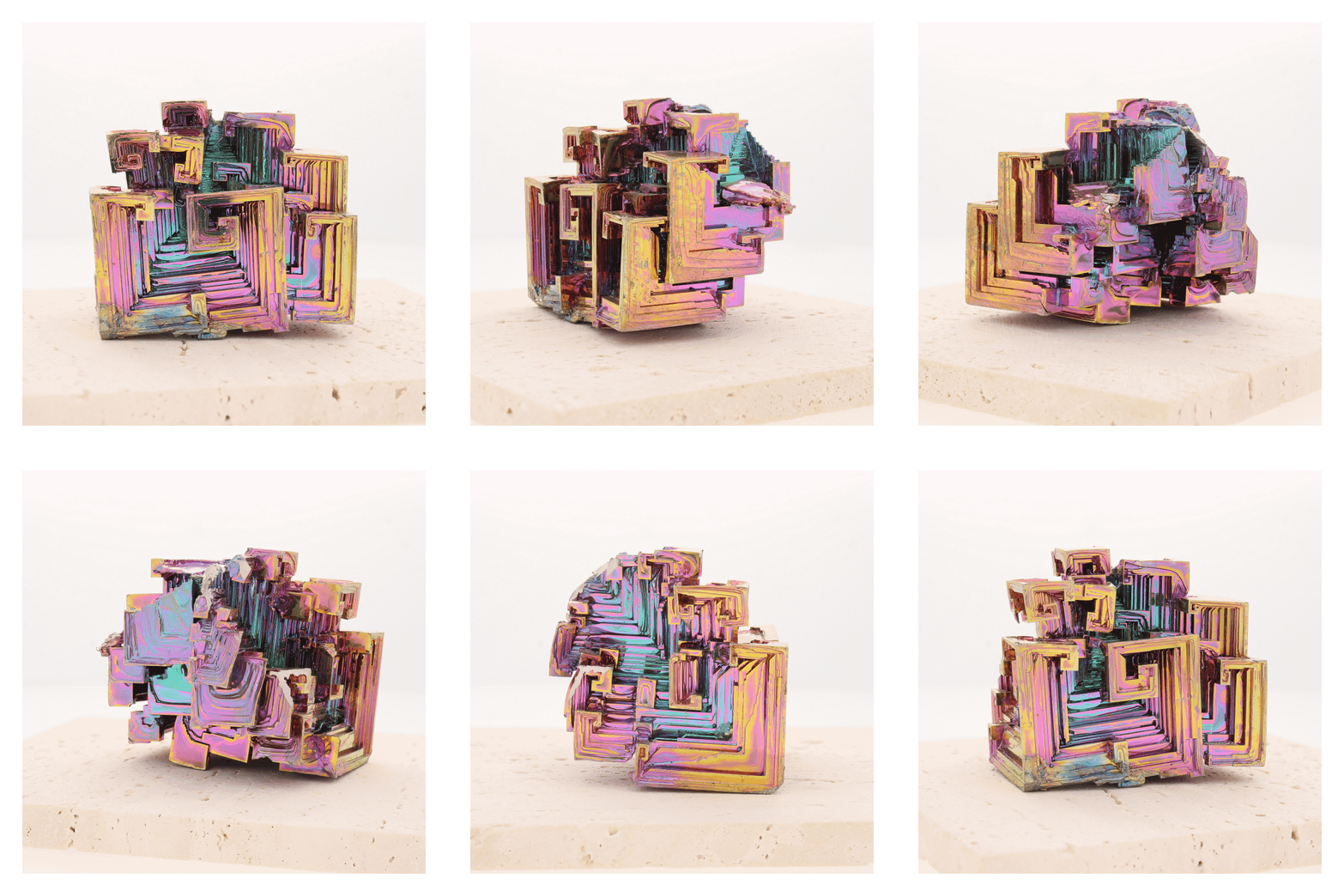
Make a statement with this large Bismuth crystal specimen, weighing an impressive 169 grams and measuring approximately 47mm x 42mm x 41mm. This striking specimen showcases an intricate collection of interlocking hopper crystals, creating an almost architectural landscape of terraces, recessed chambers and geometric steps.
The crystal displays an exceptional range of iridescent colours, including vivid pink, purple, turquoise, blue, green and golden yellow. The contrasting colours change dramatically across its many stepped surfaces, giving the specimen remarkable depth and visual interest.
Its complex three-dimensional structure means there is something new to discover from almost every angle. Large recessed hopper formations are surrounded by smaller stepped crystal growths, creating an appearance reminiscent of a miniature futuristic city or intricate metallic sculpture.
Specimen Details
✓ Mineral: Bismuth
✓ Crystal Form: Hopper crystal cluster
✓ Colour: Iridescent pink, purple, turquoise, blue, green and gold
✓ Dimensions: 47mm x 42mm x 41mm
✓ Weight: 169 grams
✓ Formation: Cultivated from refined bismuth
✓ Surface: Natural iridescent bismuth oxide layer
✓ Specimen Type: Large cultivated crystal cluster
About Bismuth
Bismuth is a naturally occurring chemical element with the symbol Bi and atomic number 83. It is a heavy, silvery-white metal that has become particularly popular with mineral and element collectors because of the spectacular crystals it can produce when carefully melted and cooled.
Unlike conventional mineral crystals that form deep within the Earth over geological periods, these extraordinary hopper crystals are generally cultivated from molten refined bismuth under controlled conditions. The resulting structures are prized for their distinctive geometric growth patterns and brilliant surface colours.
Why Are Bismuth Crystals So Colourful?
The incredible rainbow colours seen on Bismuth crystals are created by a very thin bismuth oxide layer that develops on the surface as the crystal is exposed to oxygen.
Light interacting with this microscopic layer produces interference colours, creating brilliant shades of pink, purple, blue, green, gold and turquoise. The thickness of the oxide layer varies across the crystal, which is why different areas can display completely different colours.
This specimen is particularly impressive because of the strong contrast between its metallic green and turquoise interior surfaces and the vivid pink, purple and golden edges surrounding the hopper structures.
How Does the Hopper Shape Form?
Bismuth is famous for producing hopper crystals, where the outer edges of the growing crystal develop more rapidly than the central areas. Instead of forming simple solid faces, this produces recessed sections and characteristic staircase-like growth patterns.
In this specimen, numerous hopper structures have grown together to create a highly complex three-dimensional cluster. The individual terraces, square recesses and stepped edges overlap and intersect, producing the extraordinary geometric appearance that makes Bismuth so distinctive.
Rather than having one simple crystal shape, this specimen is a multi-level architectural arrangement of interconnected hopper growth, making it especially interesting as a display specimen.
Cool Facts About Bismuth
🔥 It expands when it freezes: Bismuth is unusual because it expands slightly as it changes from liquid to solid.
🌈 The colours aren't painted: The spectacular rainbow effect comes from a microscopic oxide layer and light interference.
⚛️ It is a chemical element: Bismuth has the symbol Bi and atomic number 83.
🧲 It is strongly diamagnetic: Bismuth is one of the most strongly diamagnetic elements, meaning it is repelled by magnetic fields.
💊 Bismuth has medical applications: Bismuth compounds have been used in medicines for digestive conditions.
🏗️ Its crystals look architectural: Hopper growth creates terraces, steps and recessed chambers that can resemble miniature futuristic buildings.
🌡️ It melts at a relatively low temperature: Bismuth melts at approximately 271°C, allowing spectacular crystals to be produced by carefully melting and cooling the metal.
✨ No two specimens are exactly alike: Small differences during crystallisation and surface oxidation produce variations in both crystal shape and colour.
A Spectacular Collector's Specimen
At 169 grams, this is a substantial Bismuth specimen with the size and complexity to make an impressive display piece. Its combination of large hopper formations, intricate stepped geometry and intense iridescent colour makes it particularly appealing to collectors of elements, unusual minerals and visually distinctive crystals.
The specimen's three-dimensional form is one of its greatest features. From one side, the turquoise and green tones dominate; from another, vibrant pinks, purples and golds come forward. The numerous recessed hopper structures create shadows and depth, giving the specimen the appearance of a tiny metallic landscape.
Whether displayed as part of a mineral collection, an elements collection, or simply appreciated as a remarkable example of crystal growth, this large Bismuth crystal is an eye-catching specimen that combines science, geometry and extraordinary colour.