SKU:S535
Architectural Rainbow Bismuth Hopper Crystal Cluster
Architectural Rainbow Bismuth Hopper Crystal Cluster
Pay over 2-6 interest-free instalments with Stitch Pay Later
Out of stock
Couldn't load pickup availability
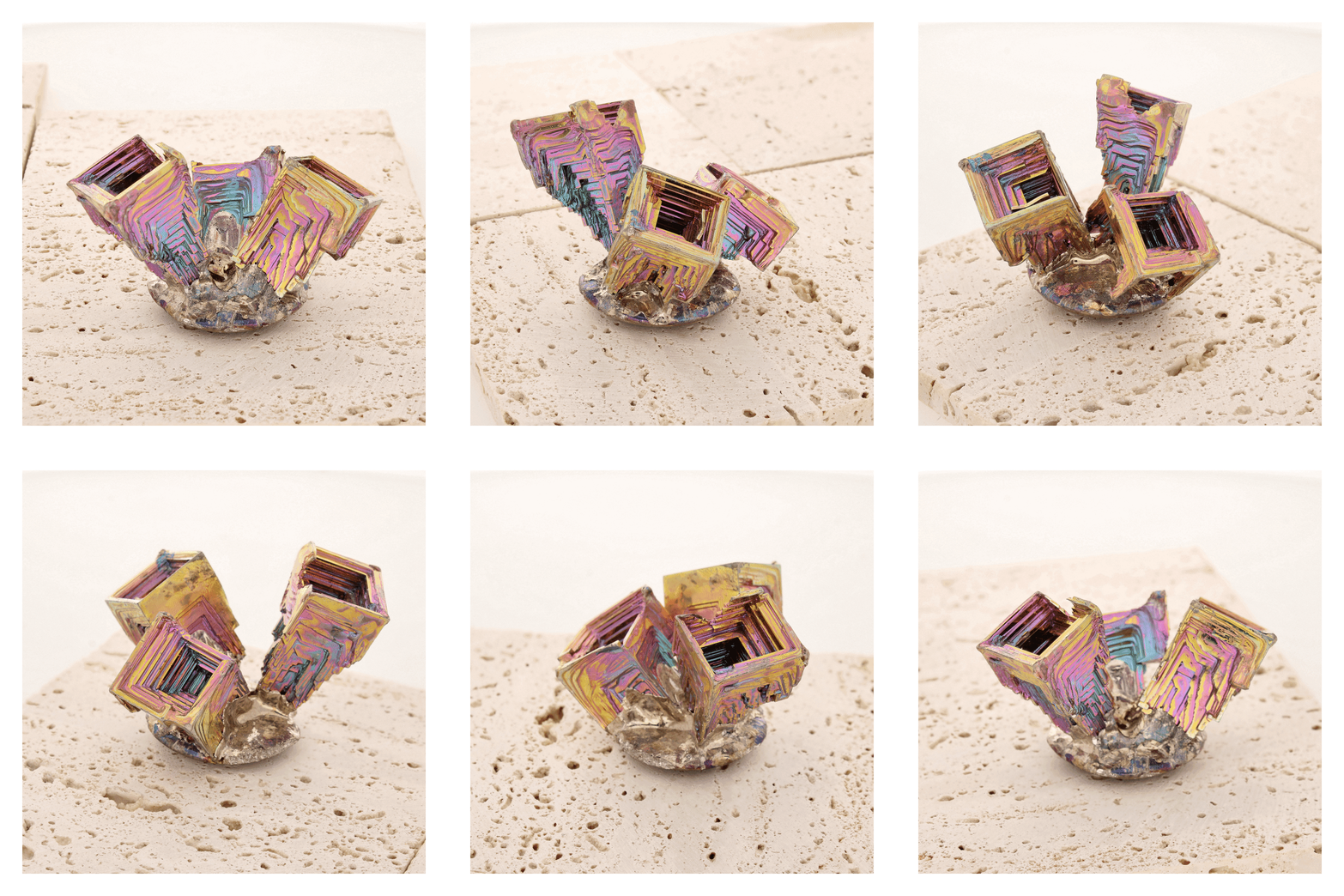
Discover the extraordinary geometric beauty of this Bismuth crystal specimen, featuring a striking cluster of hopper crystals with stepped edges, recessed chambers and dramatic three-dimensional growth. Its unusual architectural structure creates a fascinating specimen from every angle, with multiple crystals appearing to rise from a central base.
The specimen displays a spectacular range of iridescent colours, including vivid pink, purple, gold, turquoise, blue and hints of green. The colours shift beautifully across the stepped surfaces, giving the crystal an almost holographic appearance as it catches the light.
Its unusual cluster structure makes this a particularly eye-catching display specimen. Several hopper crystals have developed together, creating a complex formation of geometric terraces, open chambers and angular crystal faces that resemble a miniature futuristic landscape.
Specimen Details
✓ Mineral: Bismuth
✓ Crystal Form: Hopper crystal cluster
✓ Colour: Iridescent pink, purple, blue, turquoise, green and gold
✓ Dimensions: 34mm x 36mm x 46mm
✓ Weight: 142 grams
✓ Formation: Cultivated from refined bismuth
✓ Surface: Iridescent bismuth oxide layer
✓ Specimen Type: Cultivated crystal cluster
About Bismuth
Bismuth is a naturally occurring chemical element with the symbol Bi and atomic number 83. It is a heavy, silvery-white metal that is particularly popular with collectors because of the remarkable crystals it can produce when molten bismuth is carefully cooled.
The spectacular hopper crystals found on specimens like this are generally cultivated under controlled conditions rather than formed naturally in the Earth's crust. During cooling, the bismuth develops its distinctive stepped and skeletal crystal structures.
Why Are Bismuth Crystals So Colourful?
The spectacular rainbow colours of Bismuth are created by a thin bismuth oxide layer that forms on the surface of the crystal.
When light interacts with this microscopic layer, interference produces brilliant colours ranging from pink and purple to blue, green, turquoise and gold. Because the oxide layer varies in thickness across the surface, the colours can change dramatically from one part of the crystal to another.
This specimen has particularly attractive colour variation, with golden and pink areas contrasting beautifully against deeper purple, blue and turquoise tones.
How Does the Hopper Shape Form?
Bismuth is famous for its distinctive hopper crystal growth. During crystallisation, the edges of the growing crystal can advance more quickly than the central portions, producing recessed areas and characteristic staircase-like formations.
This process creates the unusual skeletal and geometric appearance seen throughout the specimen. The individual crystals have grown together to form a complex cluster of terraces, square corners and recessed chambers.
The result is a crystal that looks almost architectural, with each surface revealing another layer of geometric detail.
Cool Facts About Bismuth
🔥 It expands as it freezes: Bismuth is unusual because it expands slightly when changing from liquid to solid.
🌈 The colours come from its surface: The rainbow appearance is produced by a thin oxide layer and light interference rather than conventional colouring.
⚛️ It is an element: Bismuth has the chemical symbol Bi and atomic number 83.
🧲 It is strongly diamagnetic: Bismuth is one of the most strongly diamagnetic elements.
💊 It has medical uses: Bismuth compounds have been used in medicines for digestive conditions.
🏗️ It creates extraordinary crystal shapes: Hopper growth produces terraces, steps and recessed structures that can resemble miniature architecture.
🌡️ It has a relatively low melting point: Bismuth melts at approximately 271°C, making it possible to produce crystals by carefully melting and cooling the metal.
✨ Every specimen is different: Variations during crystallisation and oxidation create differences in shape, structure and colour.
A Fascinating Collector's Specimen
This Bismuth crystal is a striking combination of geometric crystal architecture and vivid iridescent colour. Its multiple hopper formations create impressive depth, while the shifting rainbow tones make the specimen particularly attractive as a display piece.
The specimen changes character depending on the viewing angle, revealing different flashes of pink, purple, turquoise, blue, green and gold across its stepped crystal surfaces.
Whether added to a collection of chemical elements, unusual crystals or mineral-inspired specimens, this Bismuth crystal offers a fascinating combination of science, geometry and visual beauty. It is a wonderful example of how the controlled crystallisation of an element can produce structures that look almost otherworldly.